


.JPG)



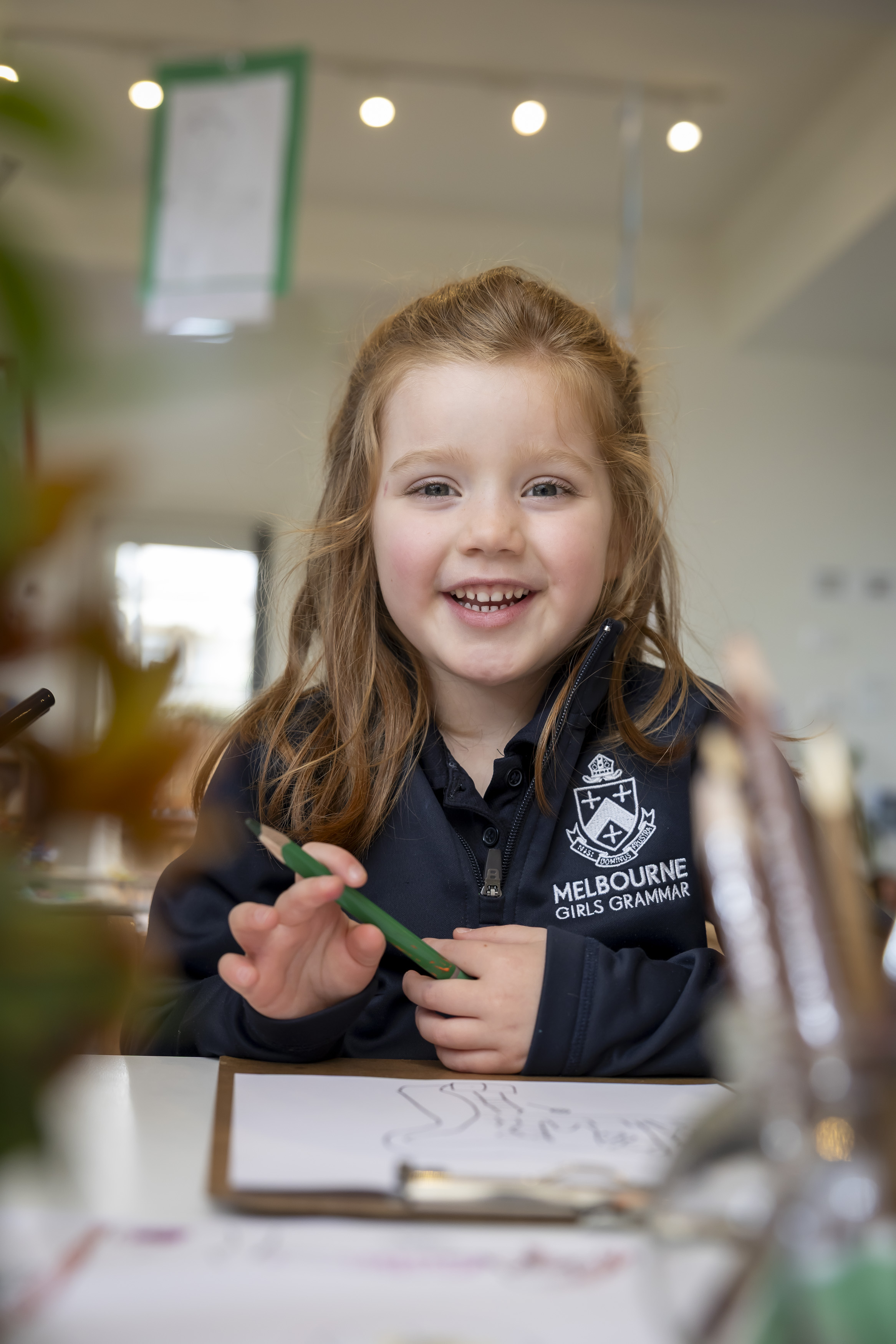

Edith drawing her map of the Royal Botanic Gardens. “Well, maps help you find a treasure chest. A long time ago in Peru, there was some gold and people stole it… We made maps for the snails in our playground, to show them where to go too.” — Edith

Edith drawing her map of the Royal Botanic Gardens. “Well, maps help you find a treasure chest. A long time ago in Peru, there was some gold and people stole it… We made maps for the snails in our playground, to show them where to go too.” — Edith
Mapping Meaning
Why is the concept of ‘place’ so important to us as human beings?
Is it a sense of belonging and connection that we yearn for?

Children are natural explorers. They are curious, imaginative, and eager to understand the world around them. During this school year, Mitchell children have explored what ‘place’ means to them. At the heart of our discussions, we have investigated the relationships between objects, landmarks, and places, wondering what buildings symbolise to us, and most importantly, what lies behind the walls of the buildings within our world. Each day, our children have been immersed in their environment, surrounded by the myriad buildings as they move around the school. They have noticed the varying colours, shapes, sizes and patterns and in-depth discussions have followed. These real-life, sensory experiences help make meaningful connections between what children see and what they know.
Using the environment as the third teacher, the children have explored their physical environment through play, using all their senses to make discoveries. Through their eyes, their ideas and questions have been interpreted using a variety of mediums, including photography, drawing and clay.
"I like maps. They show you where to go and show trees and paths, nature and flowers. In Mitchell, we were making a map. We've got shops, we made roads, cars, people and everything.” — Lenin
Children are natural explorers. They are curious, imaginative, and eager to understand the world around them. During this school year, Mitchell children have explored what ‘place’ means to them. At the heart of our discussions, we have investigated the relationships between objects, landmarks, and places, wondering what buildings symbolise to us, and most importantly, what lies behind the walls of the buildings within our world. Each day, our children have been immersed in their environment, surrounded by the myriad buildings as they move around the school. They have noticed the varying colours, shapes, sizes and patterns and in-depth discussions have followed. These real-life, sensory experiences help make meaningful connections between what children see and what they know.
Using the environment as the third teacher, the children have explored their physical environment through play, using all their senses to make discoveries. Through their eyes, their ideas and questions have been interpreted using a variety of mediums, including photography, drawing and clay.
"I like maps. They show you where to go and show trees and paths, nature and flowers. In Mitchell, we were making a map. We've got shops, we made roads, cars, people and everything.” — Lenin
Children are natural explorers. They are curious, imaginative, and eager to understand the world around them. During this school year, Mitchell children have explored what ‘place’ means to them. At the heart of our discussions, we have investigated the relationships between objects, landmarks, and places, wondering what buildings symbolise to us, and most importantly, what lies behind the walls of the buildings within our world. Each day, our children have been immersed in their environment, surrounded by the myriad buildings as they move around the school. They have noticed the varying colours, shapes, sizes and patterns and in-depth discussions have followed. These real-life, sensory experiences help make meaningful connections between what children see and what they know.
Using the environment as the third teacher, the children have explored their physical environment through play, using all their senses to make discoveries. Through their eyes, their ideas and questions have been interpreted using a variety of mediums, including photography, drawing and clay.
"I like maps. They show you where to go and show trees and paths, nature and flowers. In Mitchell, we were making a map. We've got shops, we made roads, cars, people and everything.” — Lenin
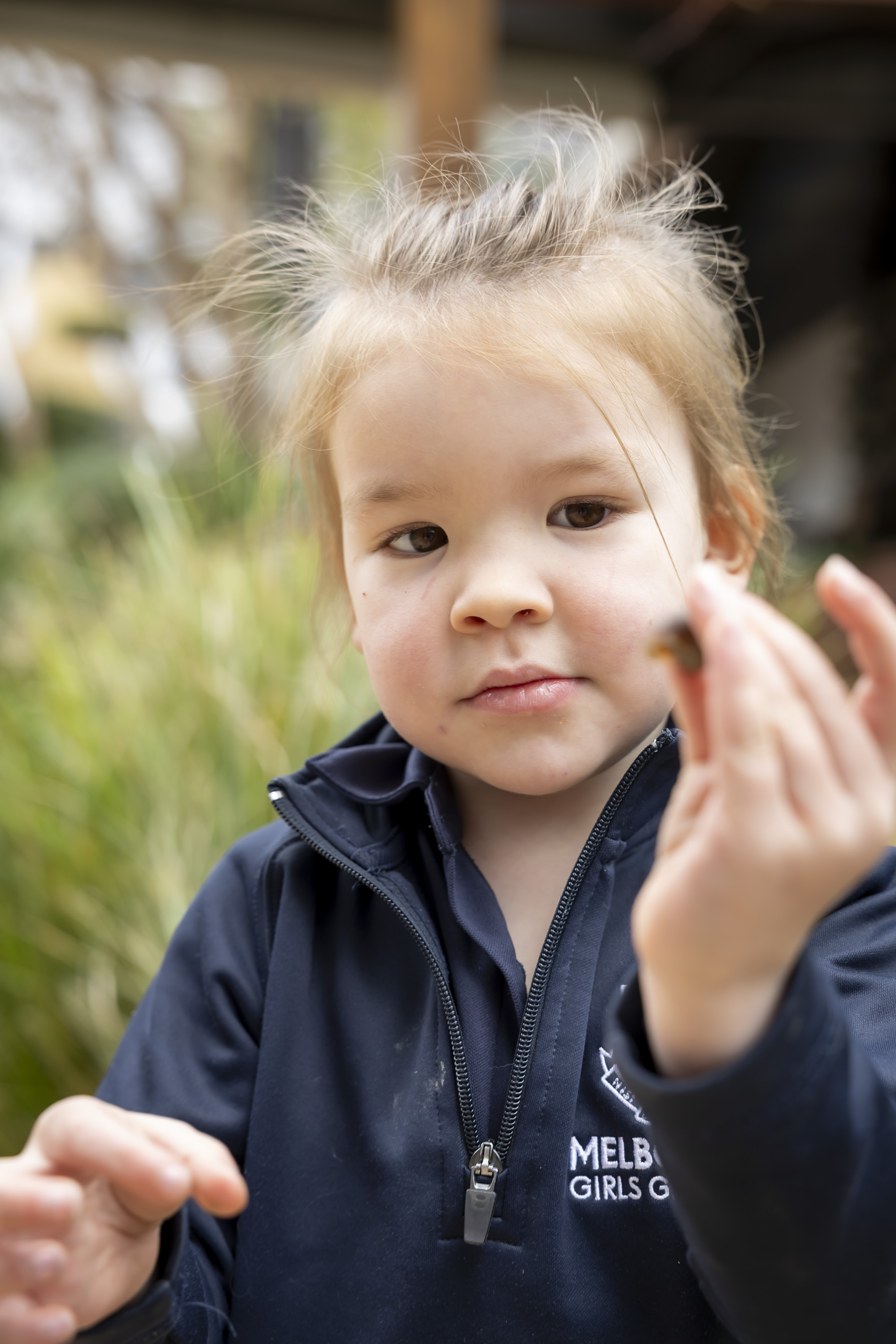
MARGOT EXPLORING IN THE ELC GARDEN
MARGOT EXPLORING IN THE ELC GARDEN

OBSERVATIONS BECOME CREATIONS
“We have maps so we know where to go. We realised the buildings are a bit far, so we made maps to show us.” — Aalia
During each step of the process, problem solving and critical thinking, predicting and testing theories have been embedded into practice. Each learner has been actively involved in their learning and, in turn, their autonomy and agency promoted. By respecting the child’s voice and acknowledging the importance of children’s Reggio Emilia’s 100 Languages, Mitchell have seized the opportunity to present their differing points of view.
"They learn best through fun, active, hands-on experiences that engage their senses and invite them to investigate, question and create."
The children's explorations have led them on a journey of creation. A wide range of materials and methods were used to explore and communicate their ideas and knowledge. Drawings of pathways, then mazes, then maps were developed. 2D models were made using blocks and then clay to replicate familiar 3D landmarks. Skills developing early geographic and spatial awareness, as well as strengthening the children’s fine motor co-ordination have been tested. Careful consideration has been given to the space, shape, size, scale and proportions of each miniature model.
“We have maps so we know where to go. We realised the buildings are a bit far, so we made maps to show us.” — Aalia
During each step of the process, problem solving and critical thinking, predicting and testing theories have been embedded into practice. Each learner has been actively involved in their learning and, in turn, their autonomy and agency promoted. By respecting the child’s voice and acknowledging the importance of children’s Reggio Emilia’s 100 Languages, Mitchell have seized the opportunity to present their differing points of view.
"They learn best through fun, active, hands-on experiences that engage their senses and invite them to investigate, question and create."
The children's explorations have led them on a journey of creation. A wide range of materials and methods were used to explore and communicate their ideas and knowledge. Drawings of pathways, then mazes, then maps were developed. 2D models were made using blocks and then clay to replicate familiar 3D landmarks. Skills developing early geographic and spatial awareness, as well as strengthening the children’s fine motor co-ordination have been tested. Careful consideration has been given to the space, shape, size, scale and proportions of each miniature model.
“We have maps so we know where to go. We realised the buildings are a bit far, so we made maps to show us.” — Aalia
During each step of the process, problem solving and critical thinking, predicting and testing theories have been embedded into practice. Each learner has been actively involved in their learning and, in turn, their autonomy and agency promoted. By respecting the child’s voice and acknowledging the importance of children’s Reggio Emilia’s 100 Languages, Mitchell have seized the opportunity to present their differing points of view.
"They learn best through fun, active, hands-on experiences that engage their senses and invite them to investigate, question and create."
The children's explorations have led them on a journey of creation. A wide range of materials and methods were used to explore and communicate their ideas and knowledge. Drawings of pathways, then mazes, then maps were developed. 2D models were made using blocks and then clay to replicate familiar 3D landmarks. Skills developing early geographic and spatial awareness, as well as strengthening the children’s fine motor co-ordination have been tested. Careful consideration has been given to the space, shape, size, scale and proportions of each miniature model.

MARGOT SKETCHES HER MAP
MARGOT SKETCHES HER MAP
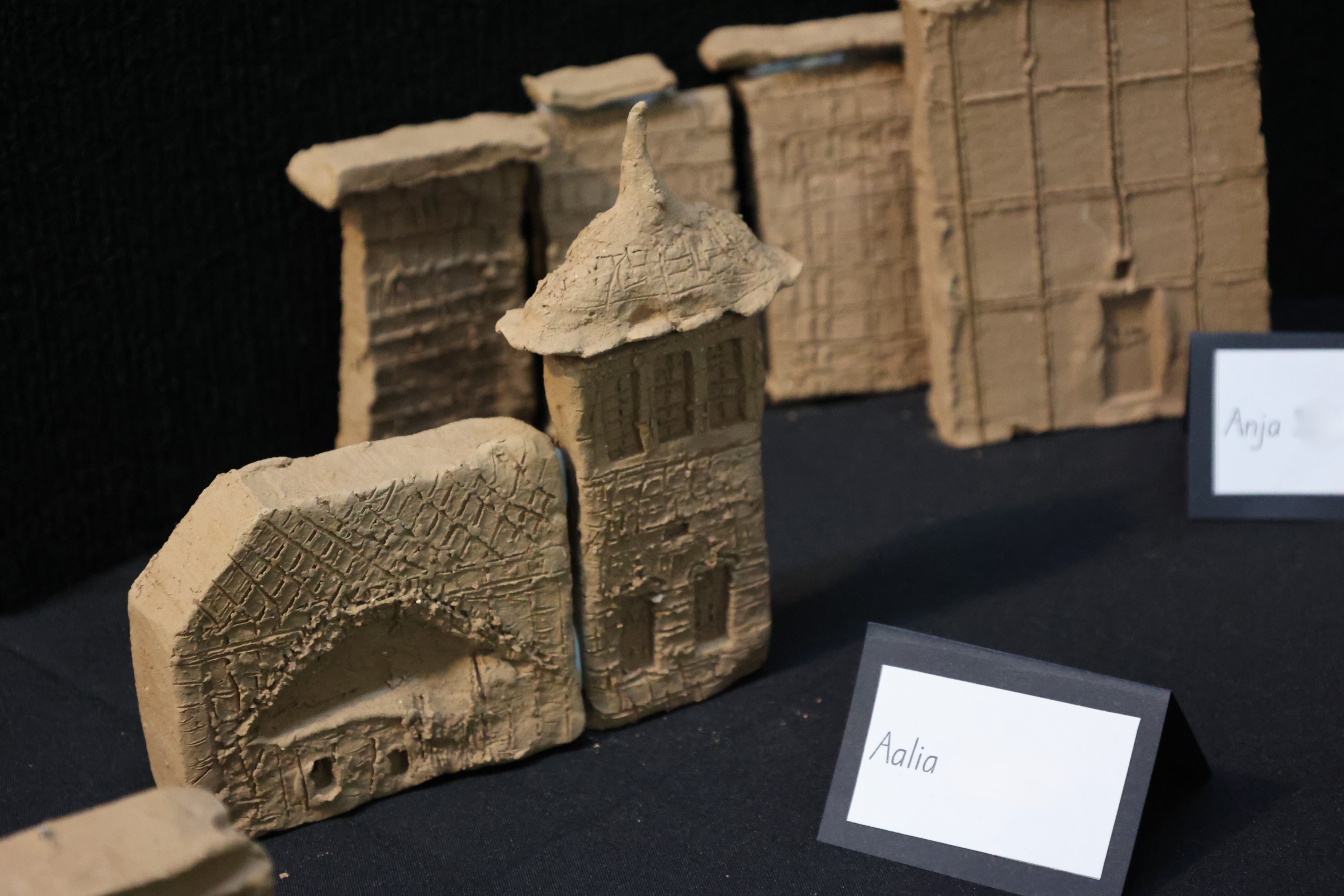
MITCHELL GROUP'S CLAY MODELS OF SCHOOL BUILDINGS

MARGOT'S MAP

MAP MAKING WITH MITCHELL GROUP
MARGOT SKETCHES HER MAP
MITCHELL GROUP'S CLAY MODELS OF SCHOOL BUILDINGS
MARGOT'S MAP
MAP MAKING WITH MITCHELL GROUP
“Children are constructing their understanding of the world, not just absorbing it. They make maps, models, and drawings to represent their ideas and theories about the spaces they inhabit.” — Loris Malaguzzi, Italian educator and psychologist
By interacting with their environment in authentic ways, our children don’t just learn about the world, they start to see themselves as capable participants within it, building the foundation for a lifelong love of discovery.
“In Mitchell, our Unit of Inquiry has focused on the concept of place. Students have regularly visited various locations across the campus to support their learning. This includes the Library, the Artemis Centre, the Orchestral Studio, Ross Hall, the Boarding House, the science laboratories, the Chapel of St Luke and more. Through these experiences, the students have discovered that nothing is constant, change is always a possibility and, most excitingly, there are multiple ways to reach each of these destinations.” — Melissa Robson, Mitchell Co-educator
“If you get lost, you need a map on your phone or iPad. If you get lost somewhere and you don’t know what place you’re at, then Mum and Dad put in a map to go somewhere different.” — Ella
“Children are constructing their understanding of the world, not just absorbing it. They make maps, models, and drawings to represent their ideas and theories about the spaces they inhabit.” — Loris Malaguzzi, Italian educator and psychologist
By interacting with their environment in authentic ways, our children don’t just learn about the world, they start to see themselves as capable participants within it, building the foundation for a lifelong love of discovery.
“In Mitchell, our Unit of Inquiry has focused on the concept of place. Students have regularly visited various locations across the campus to support their learning. This includes the Library, the Artemis Centre, the Orchestral Studio, Ross Hall, the Boarding House, the science laboratories, the Chapel of St Luke and more. Through these experiences, the students have discovered that nothing is constant, change is always a possibility and, most excitingly, there are multiple ways to reach each of these destinations.” — Melissa Robson, Mitchell Co-educator
“If you get lost, you need a map on your phone or iPad. If you get lost somewhere and you don’t know what place you’re at, then Mum and Dad put in a map to go somewhere different.” — Ella
“Children are constructing their understanding of the world, not just absorbing it. They make maps, models, and drawings to represent their ideas and theories about the spaces they inhabit.” — Loris Malaguzzi, Italian educator and psychologist
By interacting with their environment in authentic ways, our children don’t just learn about the world, they start to see themselves as capable participants within it, building the foundation for a lifelong love of discovery.
“In Mitchell, our Unit of Inquiry has focused on the concept of place. Students have regularly visited various locations across the campus to support their learning. This includes the Library, the Artemis Centre, the Orchestral Studio, Ross Hall, the Boarding House, the science laboratories, the Chapel of St Luke and more. Through these experiences, the students have discovered that nothing is constant, change is always a possibility and, most excitingly, there are multiple ways to reach each of these destinations.” — Melissa Robson, Mitchell Co-educator
“If you get lost, you need a map on your phone or iPad. If you get lost somewhere and you don’t know what place you’re at, then Mum and Dad put in a map to go somewhere different.” — Ella
Reference
Malaguzzi, L.(2012). In C. Edwards, L. Gandini, & G. Forman (Eds.), The Hundred Languages of Children: The Reggio Emilia Experience in Transformation (3rded.). Praeger.
Reference
Malaguzzi, L.(2012). In C. Edwards, L. Gandini, & G. Forman (Eds.), The Hundred Languages of Children: The Reggio Emilia Experience in Transformation (3rded.). Praeger.
Reference
Malaguzzi, L.(2012). In C. Edwards, L. Gandini, & G. Forman (Eds.), The Hundred Languages of Children: The Reggio Emilia Experience in Transformation (3rded.). Praeger.