


.JPG)




Young Historians at Rippon Lea Estate

Young Historians at Rippon Lea Estate
A Journey to the Past
Cross-curricular learning is a powerful way to foster critical thinking, problem solving and engagement in young children.

In Year 1, our Inquiry units allow our youngest Grammarians to explore topics that genuinely interest them. This increases motivation and engagement in the learning process. Research is embedded into this learning, focusing on the development of three fundamental pillars: building content knowledge, strengthening observation skills and developing inquiry habits.
Content knowledge gives students something to think with. When Year 1 students explore topics, they are not just collecting random facts. They are building mental frameworks that help them understand new information and ask better questions. Teachers might introduce students to books, images, videos and guest speakers about a particular topic, encouraging children to notice patterns and to make connections. As their knowledge grows, so does their ability to wonder about what they do not know yet.
In Year 1, our Inquiry units allow our youngest Grammarians to explore topics that genuinely interest them. This increases motivation and engagement in the learning process. Research is embedded into this learning, focusing on the development of three fundamental pillars: building content knowledge, strengthening observation skills and developing inquiry habits.
Content knowledge gives students something to think with. When Year 1 students explore topics, they are not just collecting random facts. They are building mental frameworks that help them understand new information and ask better questions. Teachers might introduce students to books, images, videos and guest speakers about a particular topic, encouraging children to notice patterns and to make connections. As their knowledge grows, so does their ability to wonder about what they do not know yet.
In Year 1, our Inquiry units allow our youngest Grammarians to explore topics that genuinely interest them. This increases motivation and engagement in the learning process. Research is embedded into this learning, focusing on the development of three fundamental pillars: building content knowledge, strengthening observation skills and developing inquiry habits.
Content knowledge gives students something to think with. When Year 1 students explore topics, they are not just collecting random facts. They are building mental frameworks that help them understand new information and ask better questions. Teachers might introduce students to books, images, videos and guest speakers about a particular topic, encouraging children to notice patterns and to make connections. As their knowledge grows, so does their ability to wonder about what they do not know yet.

Exploring the past
Exploring the past
Visiting Rippon Lea Mansion
Exploring the past

Visiting Rippon Lea Mansion
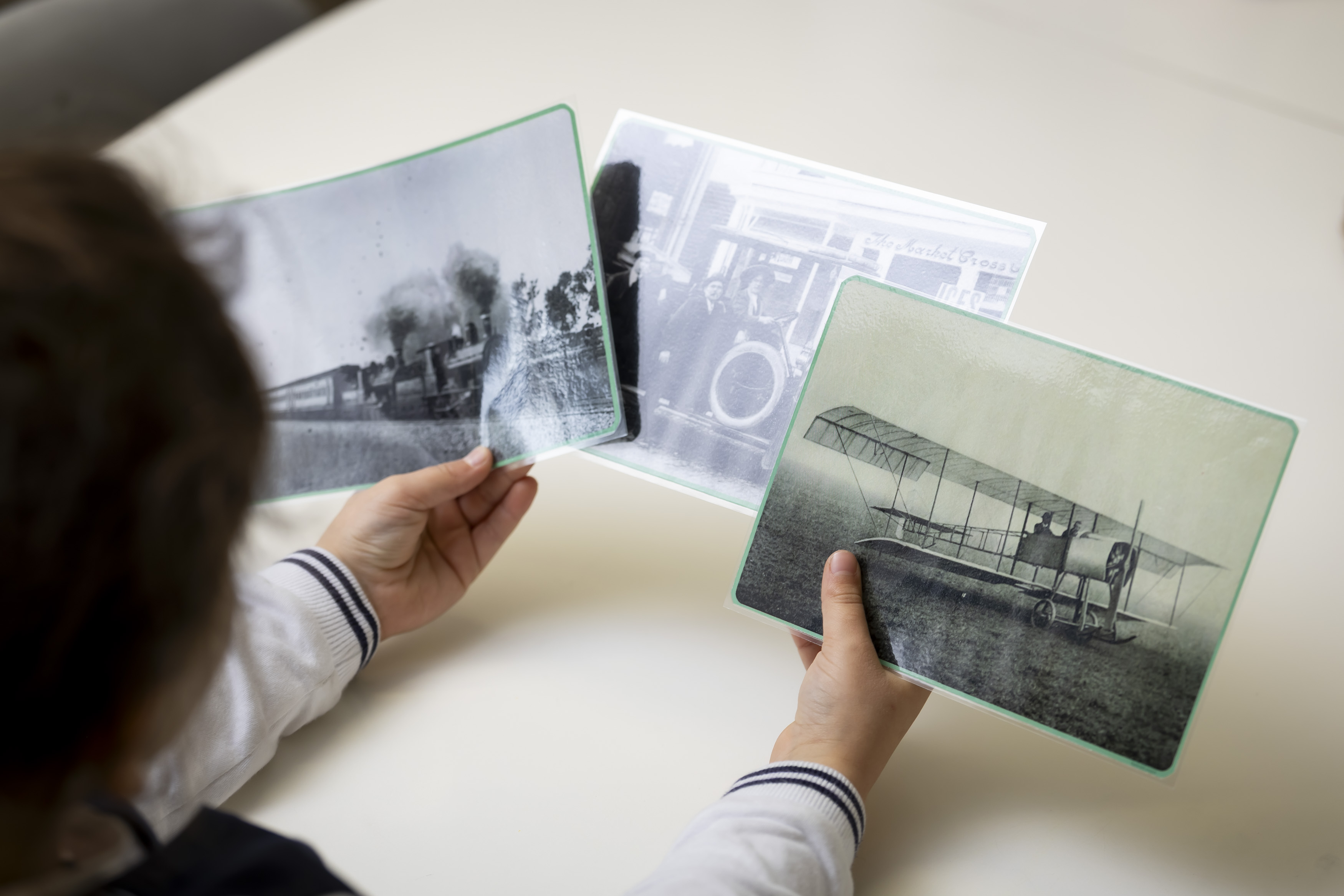
Year 1 students learn to look closely, notice details and describe what they see with increasing precision. A photograph from decades past invites students to notice clothing, buildings, vehicles and other clues about when the photo was taken. These observation exercises teach children that looking carefully yields information, a lesson that transforms passive observers into active investigators.
Perhaps most importantly, students learn to ask questions. Teachers model curiosity by wondering aloud. Students practice forming their own questions, moving from simple “what” and “who” questions toward “why” and “how” questions that drive deeper investigation. They learn that questions can be answered through different sources: through books, by asking people and through careful observation.
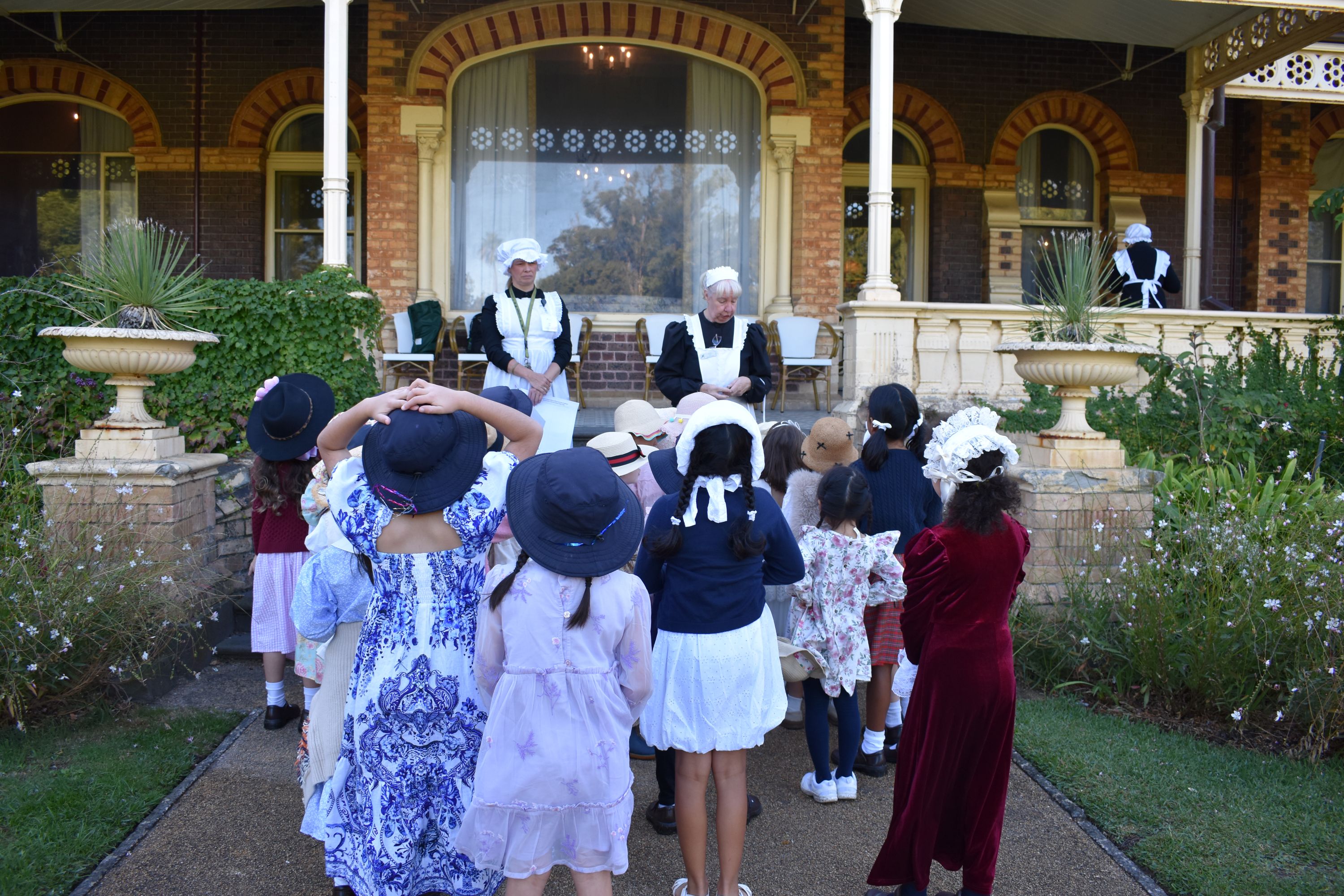
To support their inquiry into life in the past, our students dressed in ‘olden day’ attire and toured Rippon Lea Mansion, a grand estate nestled in the heart of Melbourne. The historic landmark became their classroom for their day, offering a glimpse into the past and the chance to experience life as it was centuries ago.
Our guides, posing as maids from the 1800s led us through different experiences, like a visit to the servants’ quarters where the students were immersed in daily chores of the household staff. They tried washing and ironing clothes by hand, dusting carpets by pounding them with a stick and polishing shoes. They gained a newfound appreciation for the modern conveniences in their own homes.
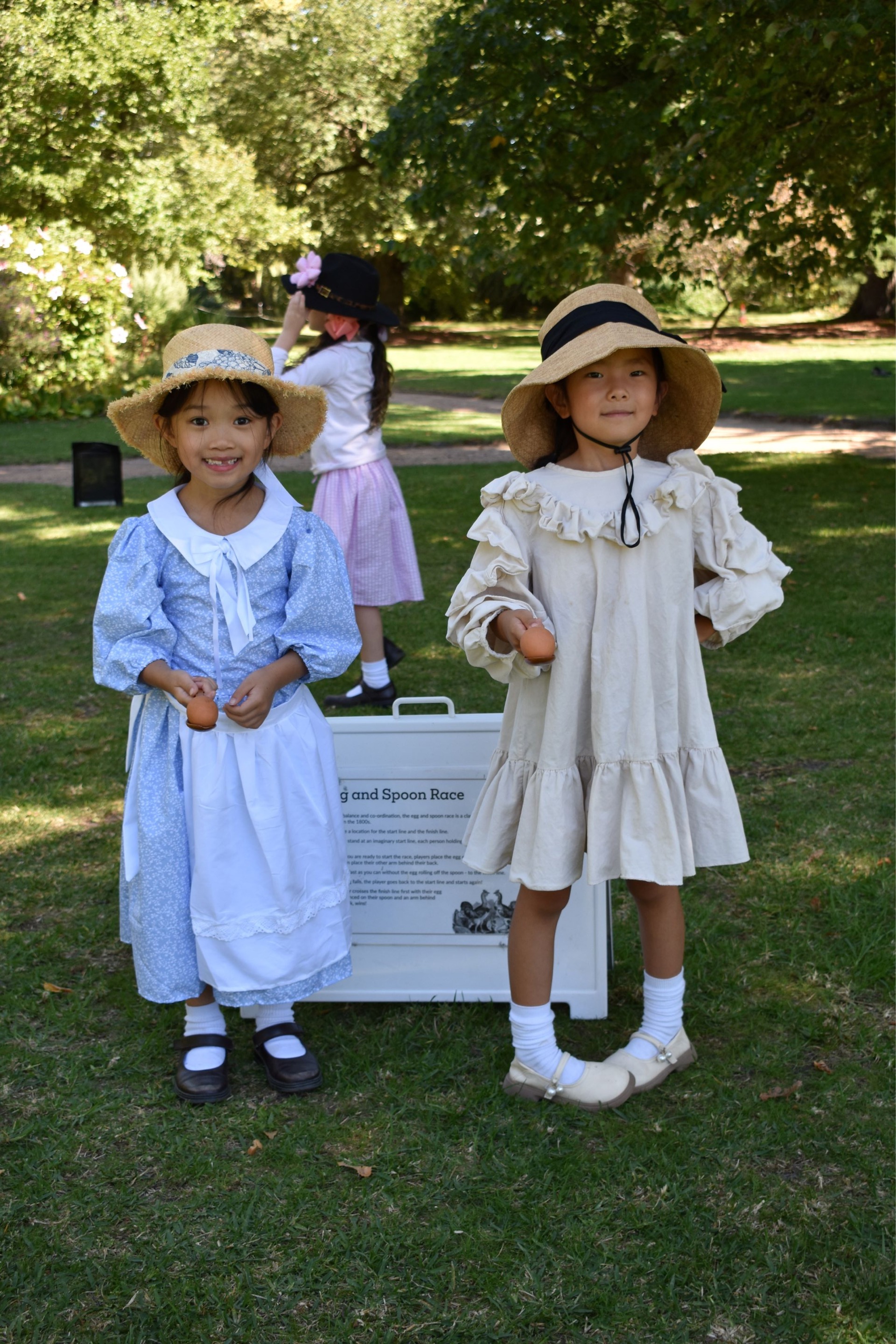
The vast grounds and gardens of Rippon Lea also provided a perfect setting for exploration and discovery. The students roamed the sprawling lawns and gardens, where they enjoyed the opportunity to play a variety of old-fashioned games.
This excursion served as a reminder of the importance of preserving our heritage and understanding the past, ensuring that future generations continue to learn from and appreciate the rich history that surrounds us.
Year 1 students learn to look closely, notice details and describe what they see with increasing precision. A photograph from decades past invites students to notice clothing, buildings, vehicles and other clues about when the photo was taken. These observation exercises teach children that looking carefully yields information, a lesson that transforms passive observers into active investigators.
Perhaps most importantly, students learn to ask questions. Teachers model curiosity by wondering aloud. Students practice forming their own questions, moving from simple “what” and “who” questions toward “why” and “how” questions that drive deeper investigation. They learn that questions can be answered through different sources: through books, by asking people and through careful observation.
To support their inquiry into life in the past, our students dressed in ‘olden day’ attire and toured Rippon Lea Mansion, a grand estate nestled in the heart of Melbourne. The historic landmark became their classroom for their day, offering a glimpse into the past and the chance to experience life as it was centuries ago.
Our guides, posing as maids from the 1800s led us through different experiences, like a visit to the servants’ quarters where the students were immersed in daily chores of the household staff. They tried washing and ironing clothes by hand, dusting carpets by pounding them with a stick and polishing shoes. They gained a newfound appreciation for the modern conveniences in their own homes.
The vast grounds and gardens of Rippon Lea also provided a perfect setting for exploration and discovery. The students roamed the sprawling lawns and gardens, where they enjoyed the opportunity to play a variety of old-fashioned games.
This excursion served as a reminder of the importance of preserving our heritage and understanding the past, ensuring that future generations continue to learn from and appreciate the rich history that surrounds us.
Year 1 students learn to look closely, notice details and describe what they see with increasing precision. A photograph from decades past invites students to notice clothing, buildings, vehicles and other clues about when the photo was taken. These observation exercises teach children that looking carefully yields information, a lesson that transforms passive observers into active investigators.
Perhaps most importantly, students learn to ask questions. Teachers model curiosity by wondering aloud. Students practice forming their own questions, moving from simple “what” and “who” questions toward “why” and “how” questions that drive deeper investigation. They learn that questions can be answered through different sources: through books, by asking people and through careful observation.
To support their inquiry into life in the past, our students dressed in ‘olden day’ attire and toured Rippon Lea Mansion, a grand estate nestled in the heart of Melbourne. The historic landmark became their classroom for their day, offering a glimpse into the past and the chance to experience life as it was centuries ago.
Our guides, posing as maids from the 1800s led us through different experiences, like a visit to the servants’ quarters where the students were immersed in daily chores of the household staff. They tried washing and ironing clothes by hand, dusting carpets by pounding them with a stick and polishing shoes. They gained a newfound appreciation for the modern conveniences in their own homes.
The vast grounds and gardens of Rippon Lea also provided a perfect setting for exploration and discovery. The students roamed the sprawling lawns and gardens, where they enjoyed the opportunity to play a variety of old-fashioned games.
This excursion served as a reminder of the importance of preserving our heritage and understanding the past, ensuring that future generations continue to learn from and appreciate the rich history that surrounds us.

Doing chores at Rippon Lea Estate
Doing chores at Rippon Lea Estate

Exploring Rippon Lea Mansion
Doing chores at Rippon Lea Estate
Exploring Rippon Lea Mansion
This approach engages young students with history in a way that feels relevant and tangible. Students begin to understand that history is about asking questions, examining evidence and constructing understanding about our world. They learn that every place has a story, that change happens over time and that we can discover these stories through careful investigation.
These foundational skills create a natural pathway to Year 2, where students apply their developing capabilities to explore the School’s history.
This approach engages young students with history in a way that feels relevant and tangible. Students begin to understand that history is about asking questions, examining evidence and constructing understanding about our world. They learn that every place has a story, that change happens over time and that we can discover these stories through careful investigation.
These foundational skills create a natural pathway to Year 2, where students apply their developing capabilities to explore the School’s history.
This approach engages young students with history in a way that feels relevant and tangible. Students begin to understand that history is about asking questions, examining evidence and constructing understanding about our world. They learn that every place has a story, that change happens over time and that we can discover these stories through careful investigation.
These foundational skills create a natural pathway to Year 2, where students apply their developing capabilities to explore the School’s history.