


.JPG)






Field Notes
To understand what the subject of Geography is about, we need to consider where the word geography comes from.
This surprisingly begins with a historical adventure back to the times of the Homeric poems, and the ancient Greek word gē meaning ‘Earth’.

If we fast forward another 500 years to the third Century BCE, the word Earth is coupled with another term, graphía, meaning ‘to write’. In the building of this new word, the Greek scholar Eratosthenes set out a clear vision for what those who wish to learn about the world must do: they must become Earth writers.
Long before this subject had a name, throughout the past hundreds of thousands of years, across every inhabited continent of our globe, humans have tried to take on this challenge of understanding, describing and writing about our world. Despite crossing different millennia and hemispheres, they all began this task in the same place, the field.
I found my field in 2019 during my Master of Geography studies at the University of Melbourne, where I developed a particular passion for the discipline of Health Geography. I was primarily interested in the incidence of Rheumatic Heart Disease (RHD) in the Northern Territory.
If we fast forward another 500 years to the third Century BCE, the word Earth is coupled with another term, graphía, meaning ‘to write’. In the building of this new word, the Greek scholar Eratosthenes set out a clear vision for what those who wish to learn about the world must do: they must become Earth writers.
Long before this subject had a name, throughout the past hundreds of thousands of years, across every inhabited continent of our globe, humans have tried to take on this challenge of understanding, describing and writing about our world. Despite crossing different millennia and hemispheres, they all began this task in the same place, the field.
I found my field in 2019 during my Master of Geography studies at the University of Melbourne, where I developed a particular passion for the discipline of Health Geography. I was primarily interested in the incidence of Rheumatic Heart Disease (RHD) in the Northern Territory.
If we fast forward another 500 years to the third Century BCE, the word Earth is coupled with another term, graphía, meaning ‘to write’. In the building of this new word, the Greek scholar Eratosthenes set out a clear vision for what those who wish to learn about the world must do: they must become Earth writers.
Long before this subject had a name, throughout the past hundreds of thousands of years, across every inhabited continent of our globe, humans have tried to take on this challenge of understanding, describing and writing about our world. Despite crossing different millennia and hemispheres, they all began this task in the same place, the field.
I found my field in 2019 during my Master of Geography studies at the University of Melbourne, where I developed a particular passion for the discipline of Health Geography. I was primarily interested in the incidence of Rheumatic Heart Disease (RHD) in the Northern Territory.
Milikapiti Cliffs, Tiwi Islands
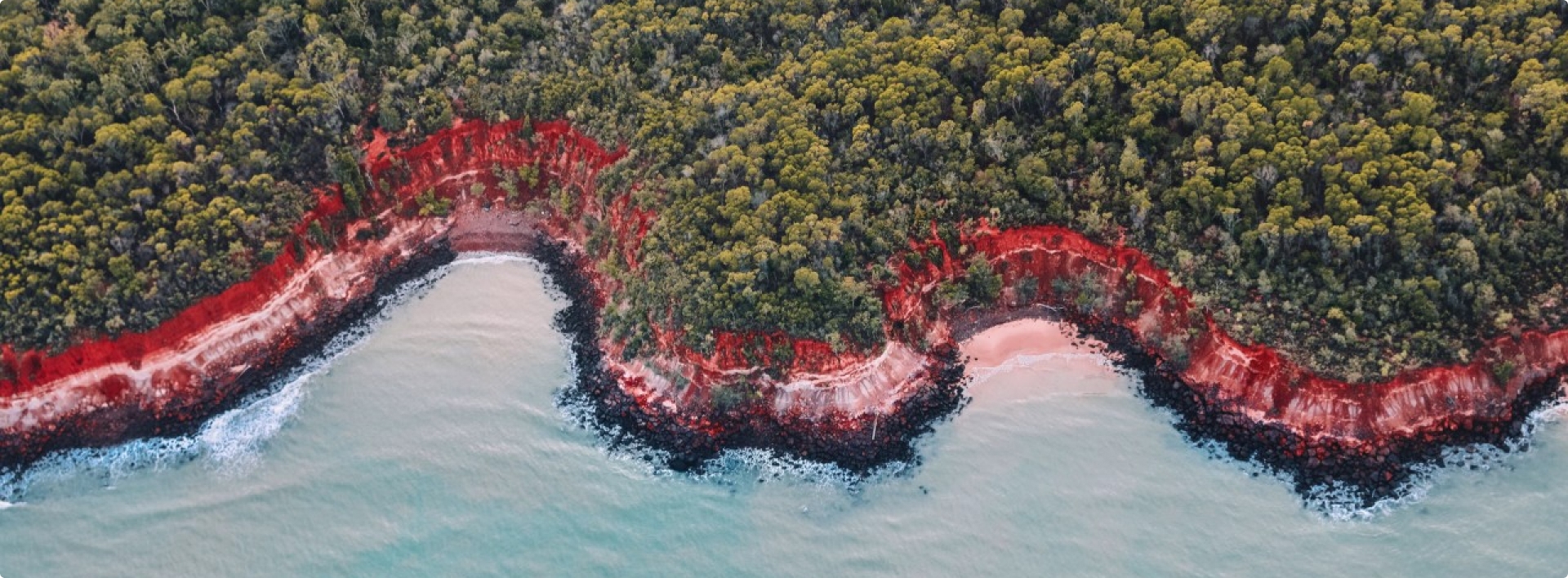
Milikapiti Cliffs, Tiwi Islands
... meaningful geographic inquiry begins with curiosity ...
RHD is a biological expression of profound social injustice, and remote Indigenous communities in northern and central Australia experience some of the highest rates of this illness worldwide. The inequality in the RHD disease burden in Australia exposes complex relationships between history, politics, health, racism, poverty and place, and it was these interconnections that I was so eager to explore and start writing down.
During my fieldwork in the Northern Territory, I had the great privilege to visit the Menzies School of Health Research for a short research internship and conduct a range of interviews. I was also very generously invited to accompany a researcher on a visit to the Tiwi Island community of Milikapiti to gain a better sense of the opportunities and challenges for patient care within a physically isolated community.
From these experiences, I learned the importance of understanding the different perspectives and places that our knowledge of the world comes from. To put it more simply, even if we are in the same field, where we stand within it will shape the world that we see.
... meaningful geographic inquiry begins with curiosity ...
RHD is a biological expression of profound social injustice, and remote Indigenous communities in northern and central Australia experience some of the highest rates of this illness worldwide. The inequality in the RHD disease burden in Australia exposes complex relationships between history, politics, health, racism, poverty and place, and it was these interconnections that I was so eager to explore and start writing down.
During my fieldwork in the Northern Territory, I had the great privilege to visit the Menzies School of Health Research for a short research internship and conduct a range of interviews. I was also very generously invited to accompany a researcher on a visit to the Tiwi Island community of Milikapiti to gain a better sense of the opportunities and challenges for patient care within a physically isolated community.
From these experiences, I learned the importance of understanding the different perspectives and places that our knowledge of the world comes from. To put it more simply, even if we are in the same field, where we stand within it will shape the world that we see.
... meaningful geographic inquiry begins with curiosity ...
RHD is a biological expression of profound social injustice, and remote Indigenous communities in northern and central Australia experience some of the highest rates of this illness worldwide. The inequality in the RHD disease burden in Australia exposes complex relationships between history, politics, health, racism, poverty and place, and it was these interconnections that I was so eager to explore and start writing down.
During my fieldwork in the Northern Territory, I had the great privilege to visit the Menzies School of Health Research for a short research internship and conduct a range of interviews. I was also very generously invited to accompany a researcher on a visit to the Tiwi Island community of Milikapiti to gain a better sense of the opportunities and challenges for patient care within a physically isolated community.
From these experiences, I learned the importance of understanding the different perspectives and places that our knowledge of the world comes from. To put it more simply, even if we are in the same field, where we stand within it will shape the world that we see.
Year 10 Grammarians completing fieldwork on coastal erosion
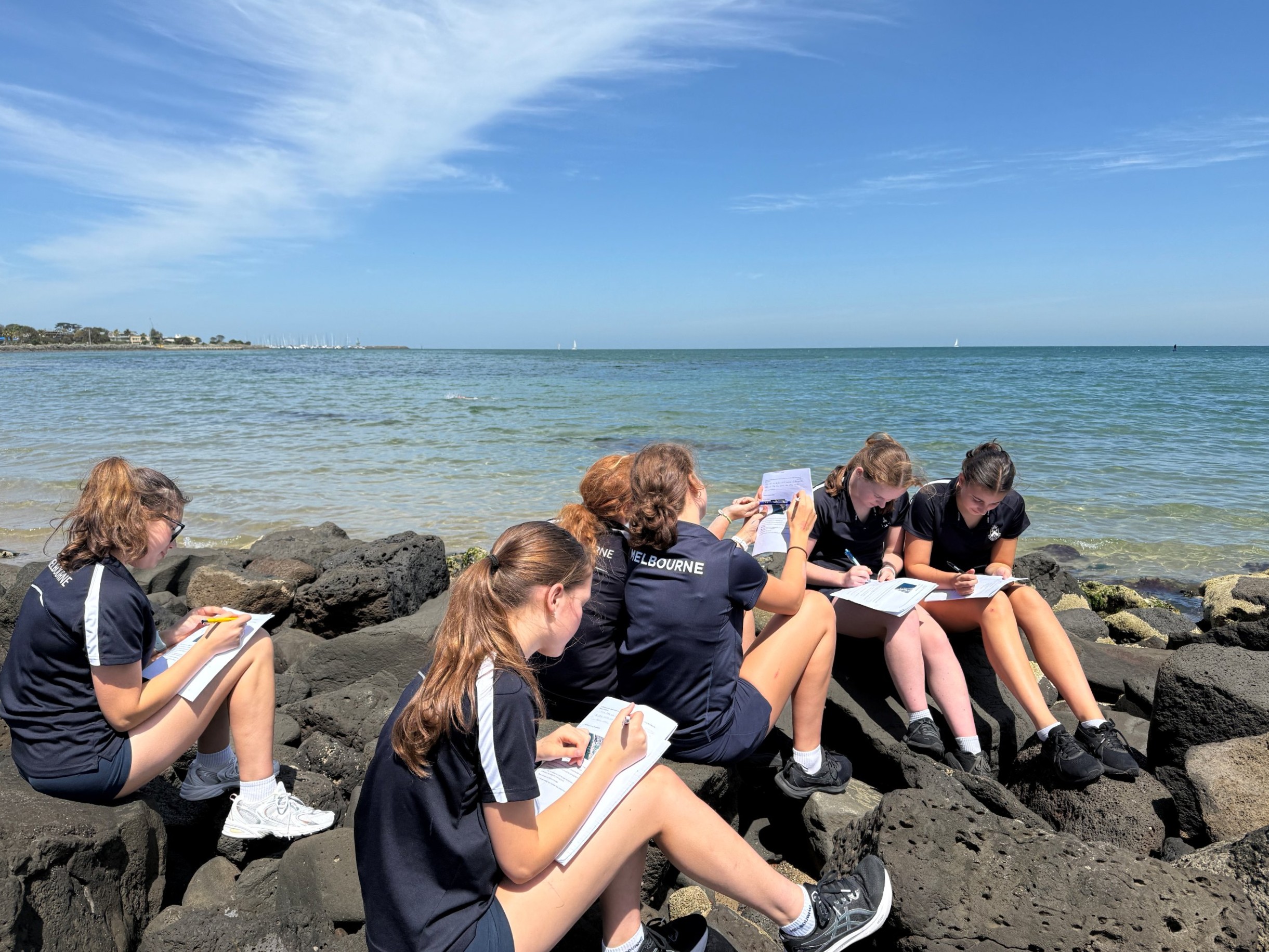
Year 10 Grammarians completing fieldwork on coastal erosion
.JPG)
Year 9 students on a Georgraphy fieldwork excursion investigating ecotourism and conservation
.JPG)
Year 9 students on a Georgraphy fieldwork excursion investigating ecotourism and conservation
.JPG)
Year 9 students on a Georgraphy fieldwork excursion investigating ecotourism and conservation
Year 10 Grammarians completing fieldwork on coastal erosion
Year 9 students on a Georgraphy fieldwork excursion investigating ecotourism and conservation
Year 9 students on a Georgraphy fieldwork excursion investigating ecotourism and conservation
Year 9 students on a Georgraphy fieldwork excursion investigating ecotourism and conservation
These fieldwork experiences continue to inform how and why I teach fieldwork skills. At MGGS fieldwork is about far more than observation or data collection; it is a practice of perspective and empathy. Our students consistently rise to this challenge and demonstrate that meaningful geographic inquiry begins with curiosity and respect for the diverse worlds we each inhabit and the future we will create together.
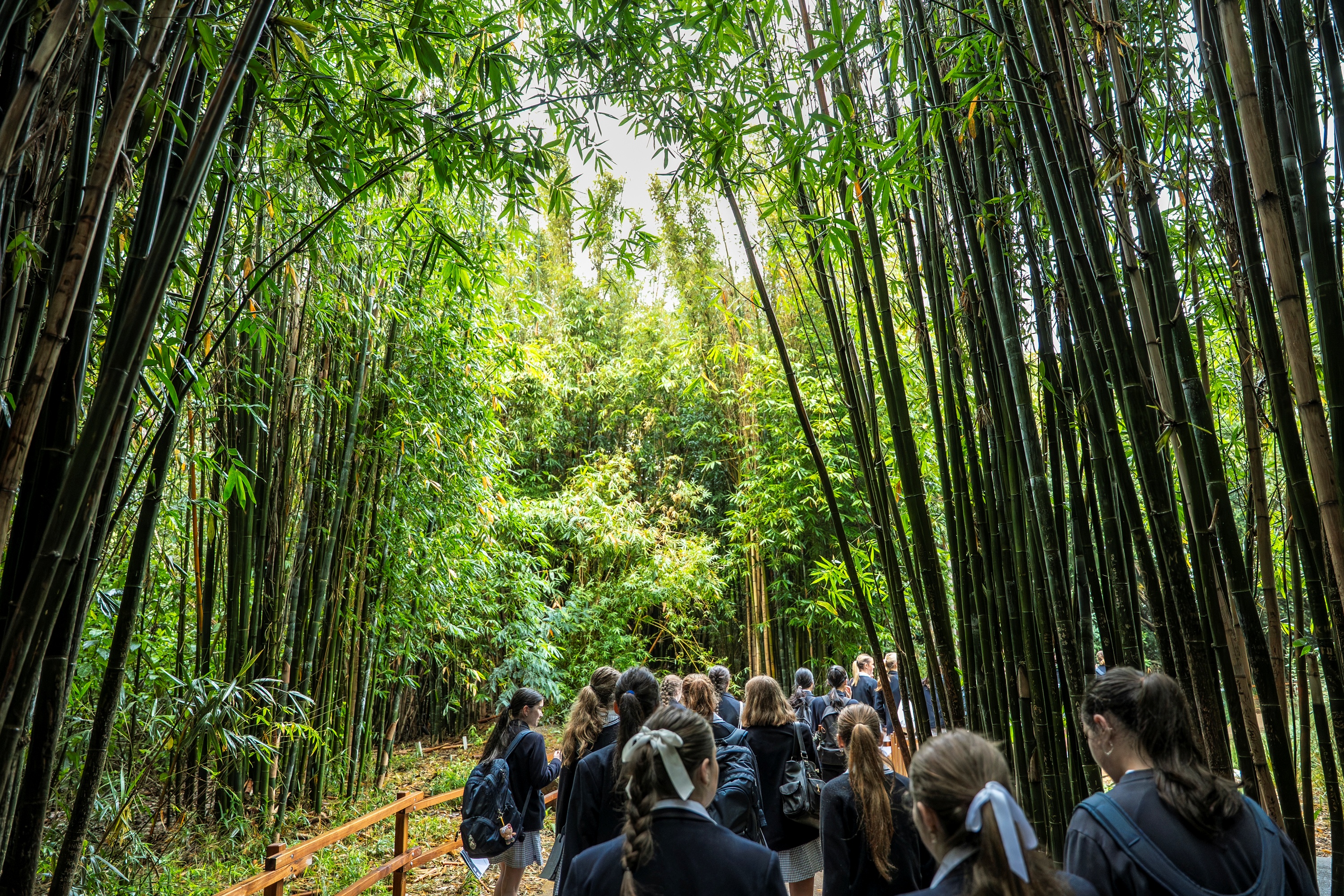
The field is an essential classroom for our Geography students and fieldwork experiences are thoughtfully designed to encourage our students to actively interrogate the world as they see it. From appraising Ecotourism on Port Phillip Bay to investigating volcanic landforms at the Organ Pipes National Park, our Grammarians are eager and ready to write about their world.
These fieldwork experiences continue to inform how and why I teach fieldwork skills. At MGGS fieldwork is about far more than observation or data collection; it is a practice of perspective and empathy. Our students consistently rise to this challenge and demonstrate that meaningful geographic inquiry begins with curiosity and respect for the diverse worlds we each inhabit and the future we will create together.
The field is an essential classroom for our Geography students and fieldwork experiences are thoughtfully designed to encourage our students to actively interrogate the world as they see it. From appraising Ecotourism on Port Phillip Bay to investigating volcanic landforms at the Organ Pipes National Park, our Grammarians are eager and ready to write about their world.
These fieldwork experiences continue to inform how and why I teach fieldwork skills. At MGGS fieldwork is about far more than observation or data collection; it is a practice of perspective and empathy. Our students consistently rise to this challenge and demonstrate that meaningful geographic inquiry begins with curiosity and respect for the diverse worlds we each inhabit and the future we will create together.
The field is an essential classroom for our Geography students and fieldwork experiences are thoughtfully designed to encourage our students to actively interrogate the world as they see it. From appraising Ecotourism on Port Phillip Bay to investigating volcanic landforms at the Organ Pipes National Park, our Grammarians are eager and ready to write about their world.